Fiber Optics
8 minutes

A contractor's 2026 guide to OTDR testing, certification documents, and what to look for at handover
Fiber installs that look fine on day one often fail quietly a year later because they were never tested or certified properly. This is a contractor's breakdown of the five questions businesses should ask about fiber testing, plus the five-document handoff we deliver on every certified fiber project.
Most of the fiber problems we are called to fix in 2026 trace back to installs that were never tested the right way at handover. The glass looks fine, the connectors click into place, and the camera or switch lights up, so everyone assumes the job is done. A year later the business reports mystery packet loss, degraded speeds, or an intermittent link, and the fault was baked in from day one. The five questions below cover what proper fiber testing actually includes, and what should be on the paperwork before you sign off on any fiber project.
Why does fiber need to be tested after installation?
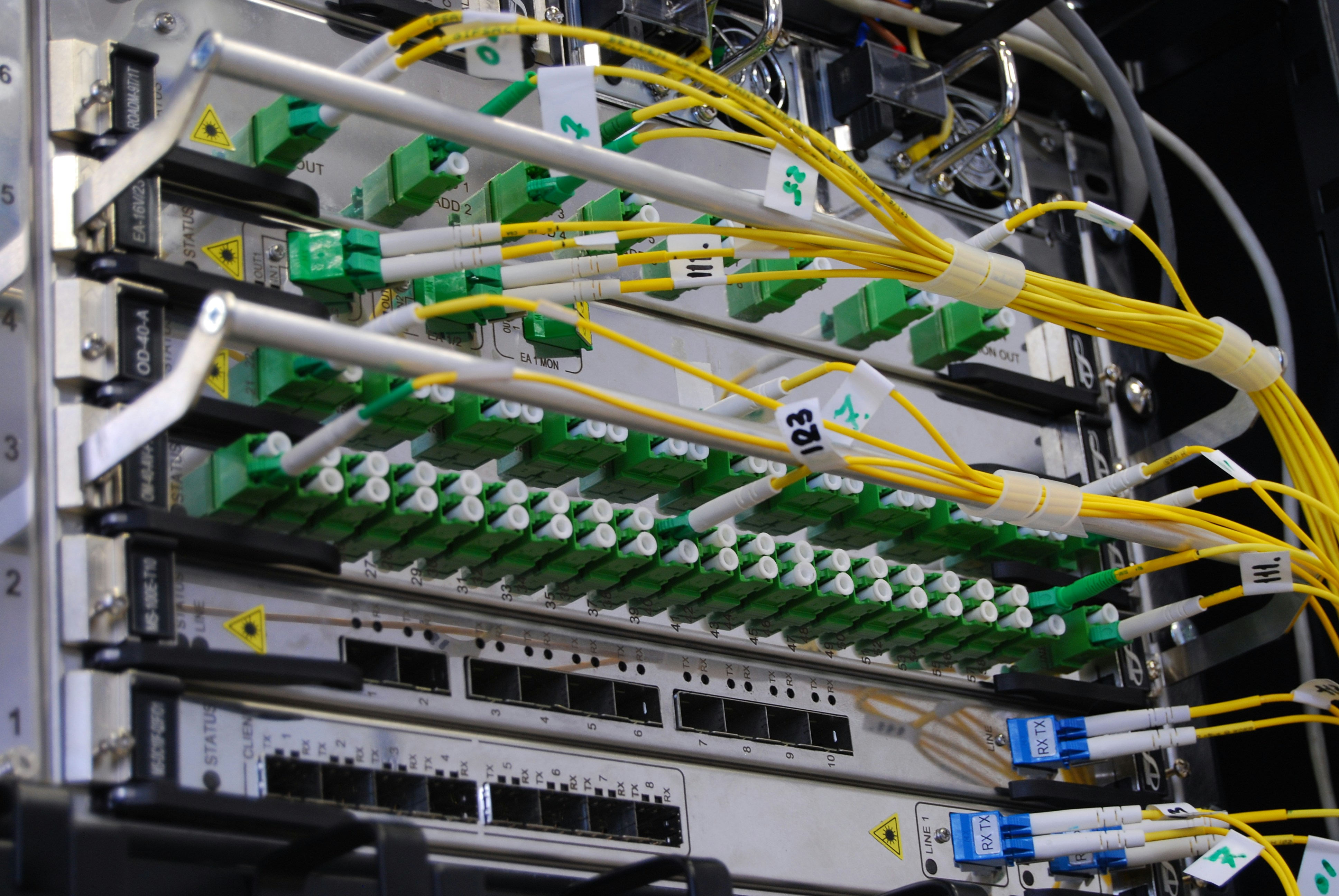
Fiber needs to be tested after installation because every pull, splice, and connector in the run adds a small amount of signal loss, and the total loss across the finished link has to stay inside a budget defined by the standards and the equipment at both ends. A link that passes a continuity check (light comes out the other end) can still fail under real traffic if the total loss is too high, if a connector is dirty, or if a splice is subpar. The TIA-568.3-D standard for optical fiber cabling and the ISO/IEC 14763-3 testing standard define pass and fail thresholds for different fiber types and speeds. Without testing to those standards, the business has no way of knowing whether the install will support the equipment plugged into it today, let alone a faster transceiver added later. A pattern we see on service calls: a business accepts a fiber install because the switch link lit up green, and 14 months later a 10 gigabit transceiver added to that same strand drops the link constantly. The run was always over its loss budget. Nobody caught it because nobody tested. Next step: never accept a fiber install without written test results. If the installer cannot produce them, that is a signal to pause before signing off.
What is an OTDR test and what does it actually measure?
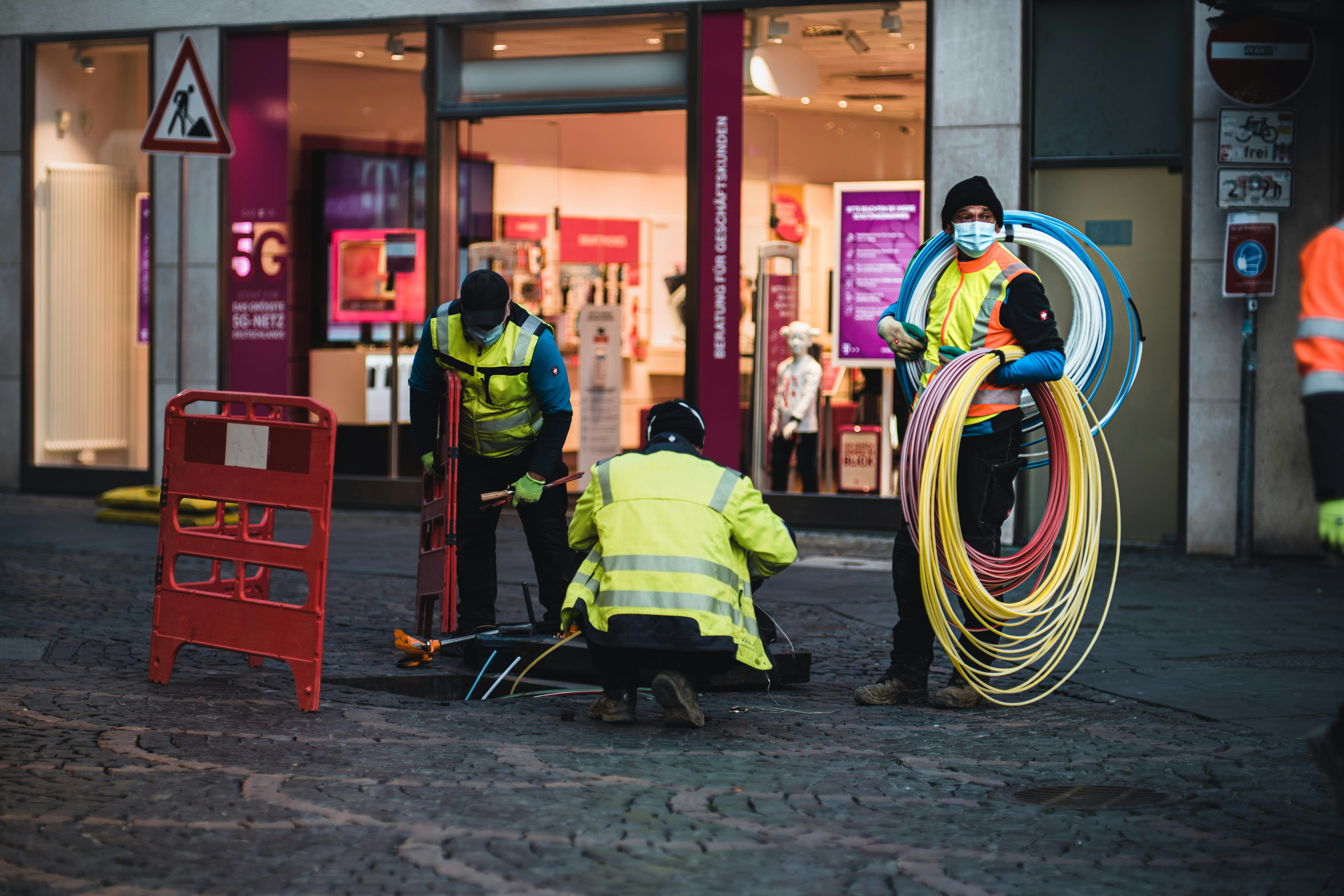
An OTDR (Optical Time Domain Reflectometer) test sends a pulse of light down a fiber strand and measures what reflects back, giving a detailed trace that shows every connector, splice, bend, and length of fiber along the entire run. Where a plain power meter tells you only the total loss end to end, an OTDR tells you exactly where the loss is happening and whether any single event (a connector, a splice, a crushed section of cable) is out of spec. The IEC 61280 series of test procedures defines how optical loss and reflectance should be measured, and documentation from Fluke Networks, Viavi, and EXFO describes OTDR testing practice in detail. The TIA-526-14-C method defines insertion loss measurement for optical fiber cabling. A proper fiber certification report includes OTDR traces for each strand from both ends, documented on test equipment that was within calibration date. A pattern we see on new engagements: a client sends over an old fiber install's paperwork, and it contains only a single pass/fail stamp with no actual traces. That is not a certified install. Next step: when reviewing a fiber install's handoff documents, look for bidirectional OTDR traces on every strand, not just a summary report.
Right Image: Close view of an OTDR screen displaying a bidirectional trace with event markers along a fiber run, loss values in dB visible.
How do you know a fiber install was properly certified?
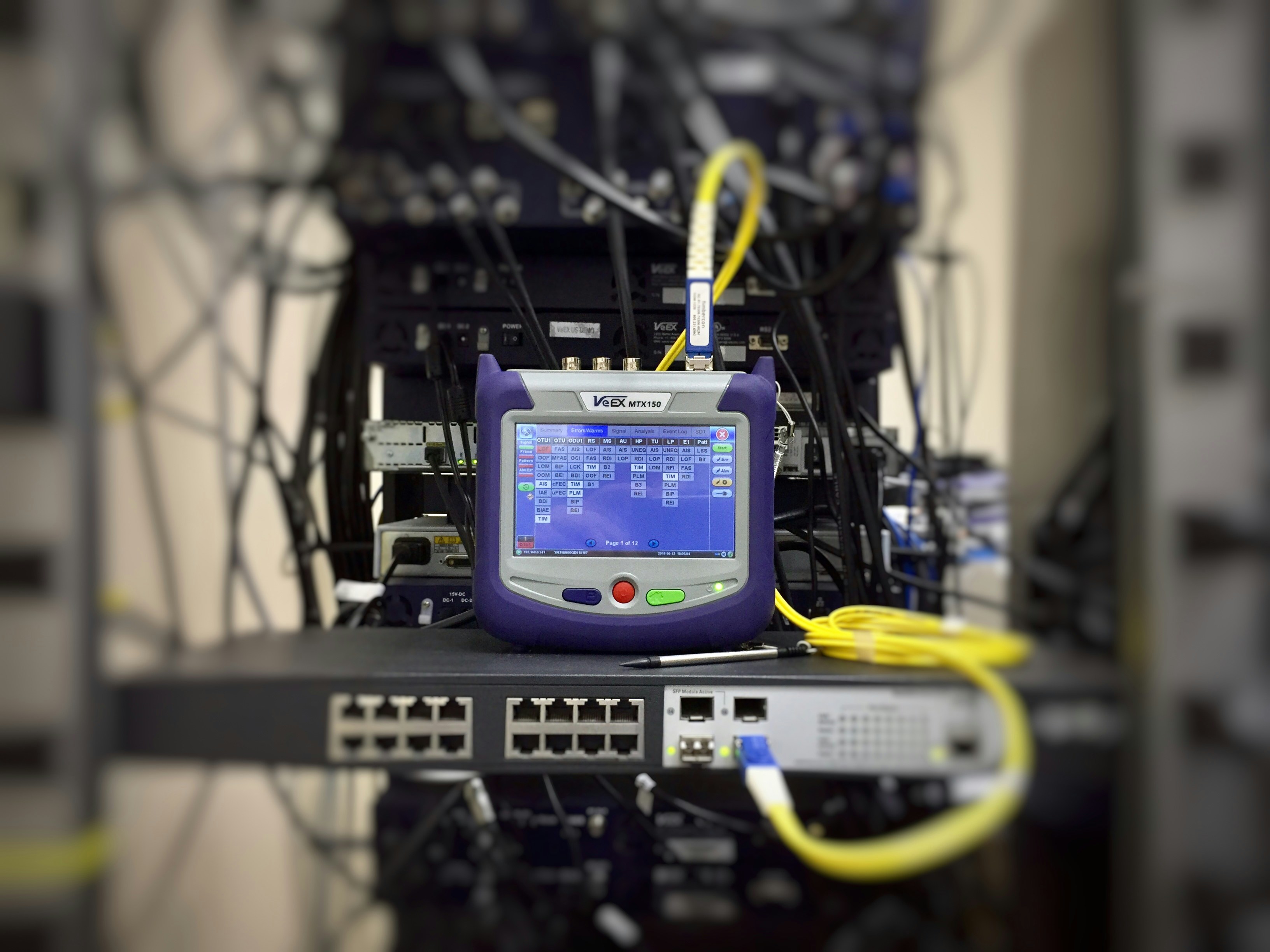
A fiber install is properly certified when the handoff package includes five specific documents: bidirectional OTDR traces for every strand, an end-to-end insertion loss report, a connector endface inspection report, a cable and connector type schedule, and a signed certification statement from the installer referencing the standards used. We call this our five-document handoff, and we deliver all five on every certified fiber project. The TIA-568.3-D and ISO/IEC 14763-3 standards define the measurements that go into those documents. The connector endface inspection report matters more than most clients realize, because a dirty or damaged connector can cause intermittent failures that an OTDR alone will not catch; manufacturer guidance from US Conec, Senko, and the fiber connector industry consistently flags endface contamination as a leading cause of fiber faults. A pattern we see: a client inherits a building where the fiber paperwork is one page with a vague "tested and passed" line and no actual data. That paperwork is worth nothing in a dispute, during a resale, or when a future contractor needs to extend the network. Next step: request the five-document package from any contractor quoting a fiber install, and compare their standard handoff to the list above before you sign.
You should retest existing fiber in your building when the original certification cannot be produced, when the fiber is older than about 10 years, when the building has gone through renovations or structural changes near the cable paths, or before adding any new high-speed equipment (25, 40, 100 gigabit transceivers) to runs that were originally built for slower speeds. Fiber performance can shift over time, especially where cables cross construction zones, run through exterior conduit, or sit in areas with temperature extremes. The IEC 61280 test procedures apply equally to new installs and to recertification of existing runs. Manufacturers like Fluke Networks and Viavi document the test procedures for both scenarios. A pattern we see on upgrade projects: a business is ready to drop in new 25 gigabit transceivers on existing single-mode fiber, and the fiber tests show the runs are actually marginal at 10 gigabit because of accumulated connector wear and one bad splice from a long-ago repair. Catching that before the transceivers are installed saves days of troubleshooting and finger-pointing. If you have existing fiber and are planning any upgrade, send us a photo of the fiber patch panel and any paperwork you have, and we will tell you whether the runs likely need recertification before new equipment lands on them. For related decisions, see our earlier posts on single-mode vs multi-mode fiber and connecting two buildings on the same property. Content reviewed and current as of October 2026.