Cameras
5 minutes

A plain look at what businesses gain (and give up) when switching from analog to IP cameras
Analog camera systems are still running in a lot of businesses, and the choice to upgrade to IP raises real questions. Here is what actually changes on the wiring, the picture quality, and the day to day experience.
A lot of businesses are still running the analog camera system that came with the building fifteen or twenty years ago. It works, sort of, but the footage is grainy, the coverage is limited, and pulling clips off the recorder is a task nobody enjoys. The question of when to replace it usually comes down to understanding what actually changes when you make the jump to IP.

The wiring itself is different
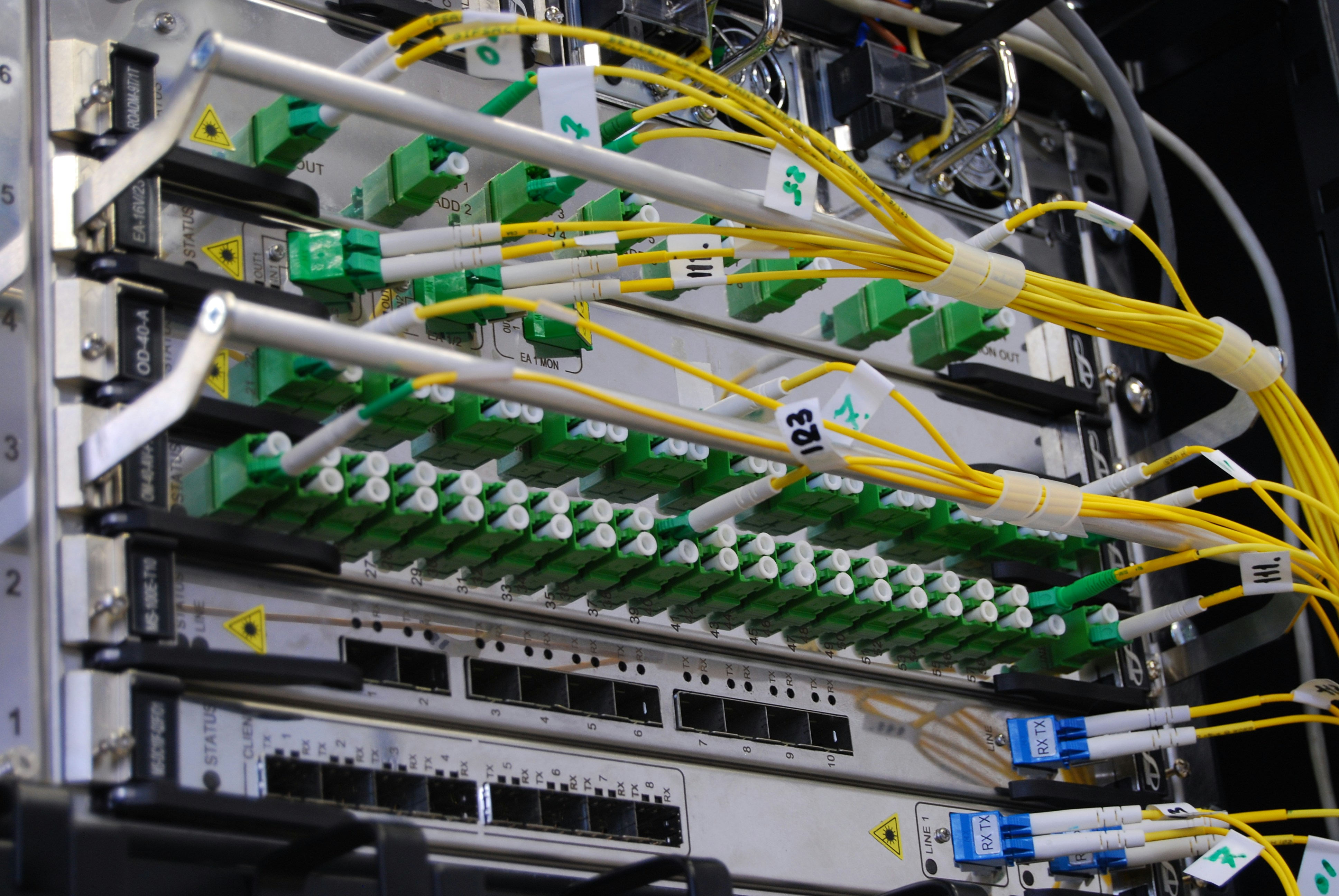
The most immediate change is at the cable level. Analog cameras run over coax cable, usually RG59, with a separate power line at each camera. IP cameras run over standard ethernet cable and use Power over Ethernet, which means one cable carries both the picture and the power. That simplifies installs, reduces the number of things that can fail at each camera, and makes future changes much easier. It also means that the coax bundles in the ceiling can be retired, though in some retrofit jobs the old coax can be reused with a converter if the runs are still in good shape.
The picture quality is a real jump
Older analog cameras typically capture footage at a resolution that made sense in the early two thousands and looks rough today. Zooming in on a face or a license plate usually turns the frame into a blur. Modern IP cameras start at higher resolutions and go up from there, with better low light performance, wider dynamic range for scenes with mixed lighting, and cleaner playback. This matters most when the footage is actually needed. A grainy analog clip of an incident is often not enough to identify anyone. A well placed IP camera at proper resolution usually is.
The recorder and storage story
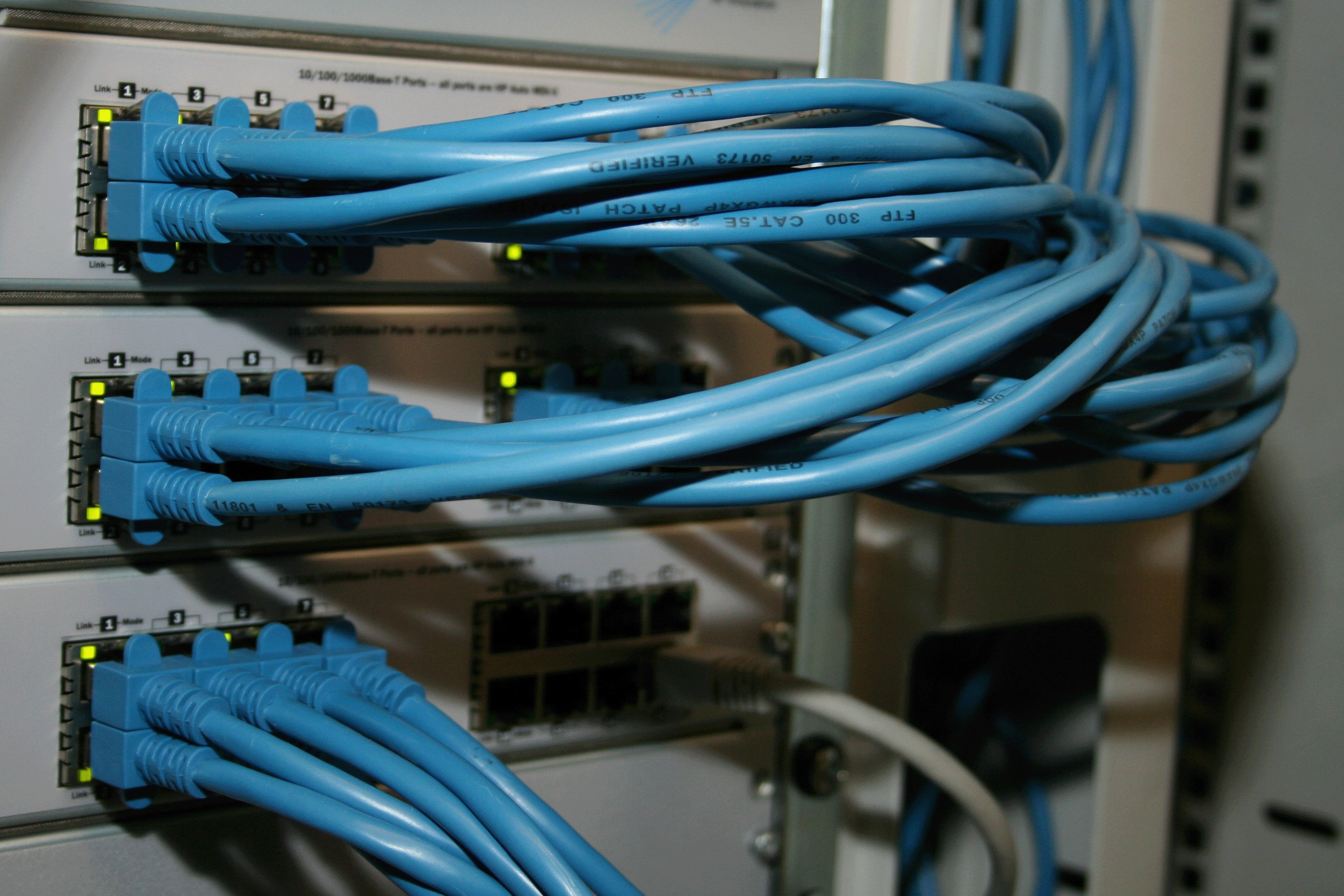
Analog systems record to a DVR that connects directly to each camera by coax. IP systems use an NVR, which sits on the network and records footage from cameras across the building or property. The NVR approach is more flexible. Cameras can be added, moved, or replaced without pulling new cable to the recorder. Storage sizing is different too. Higher resolution footage takes more space, so retention periods and drive capacity are worth planning up front. A conversation about how long the business needs to keep footage often shapes the whole design.
Upgrading a camera system is not always urgent, but it becomes an easier decision the moment a business needs footage the current system cannot provide, or when the DVR finally starts failing. If your analog system is showing its age, or if you are planning a renovation, an expansion, or a security refresh, that is the natural time to plan the transition. Solari Cabling Contractors can walk your property, review what the current system misses, and put together a wiring and camera plan that gets you a picture you can actually use. If you are not sure whether it is time yet, a short call is a good place to start.