Cameras
5 min read

The wiring choices that decide whether your camera system actually works
Cameras get all the attention, but the wiring behind them decides whether the system holds up over time. Here are the common mistakes businesses make and what to plan for instead.
Cameras are the visible part of a security system, so that is where most of the budget conversation goes. The wiring behind those cameras rarely gets the same attention. That is a mistake, because the cable in the walls decides how far your cameras can sit from the recorder, how clean the footage looks, and how long the whole system stays reliable.

Treating security cameras like a WiFi problem
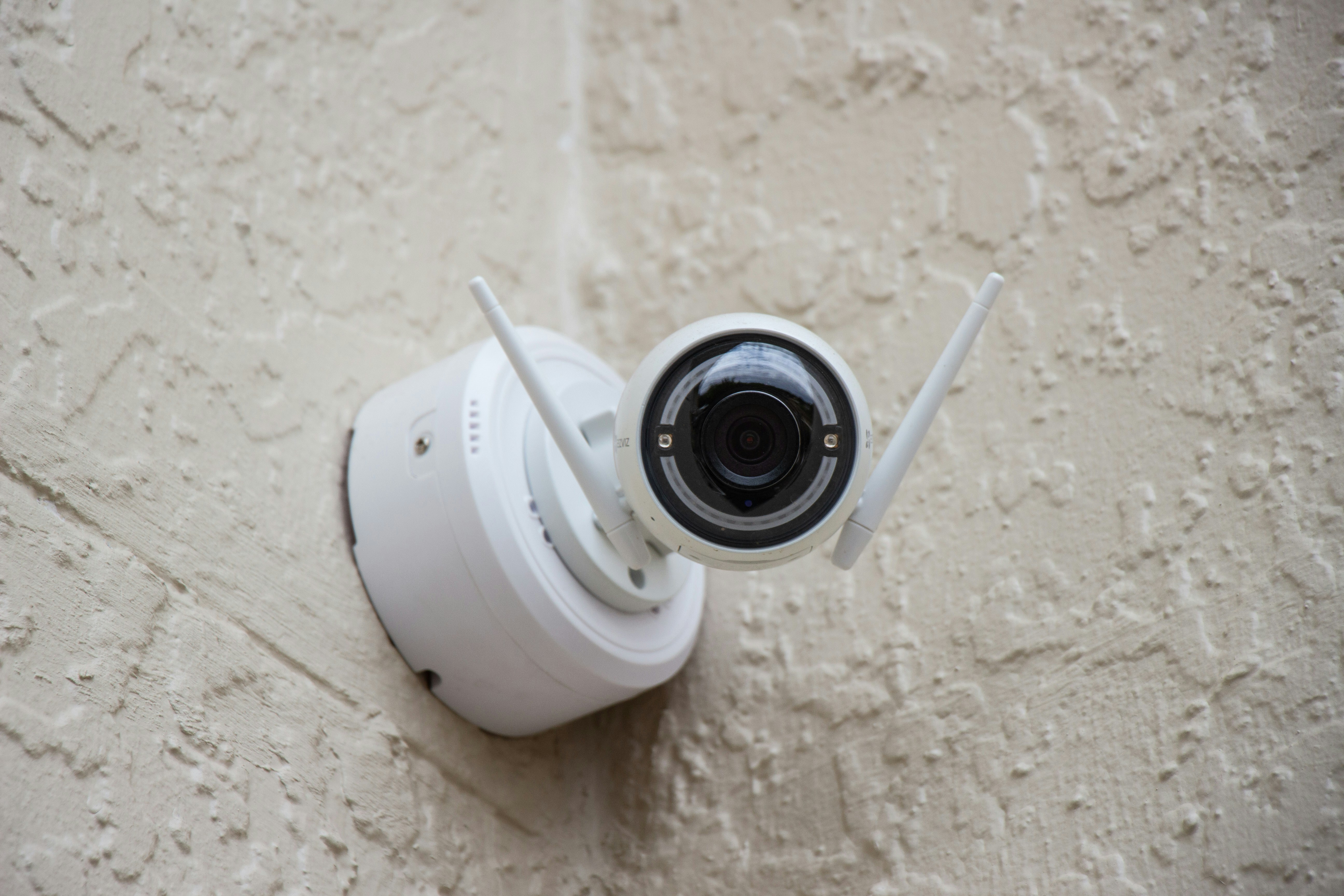
A lot of businesses start by asking whether they can just use wireless cameras and skip the wiring conversation entirely. Sometimes that works for a small setup, but for anything beyond a couple of cameras it usually creates more problems than it solves. Wireless cameras still need power. They also compete with the rest of the business for WiFi bandwidth, and their footage quality drops the moment the network gets busy. A wired system running on Power over Ethernet keeps the cameras on their own path, delivers power and data through a single cable, and stays consistent whether the office is full or empty.
Guessing at cable distance
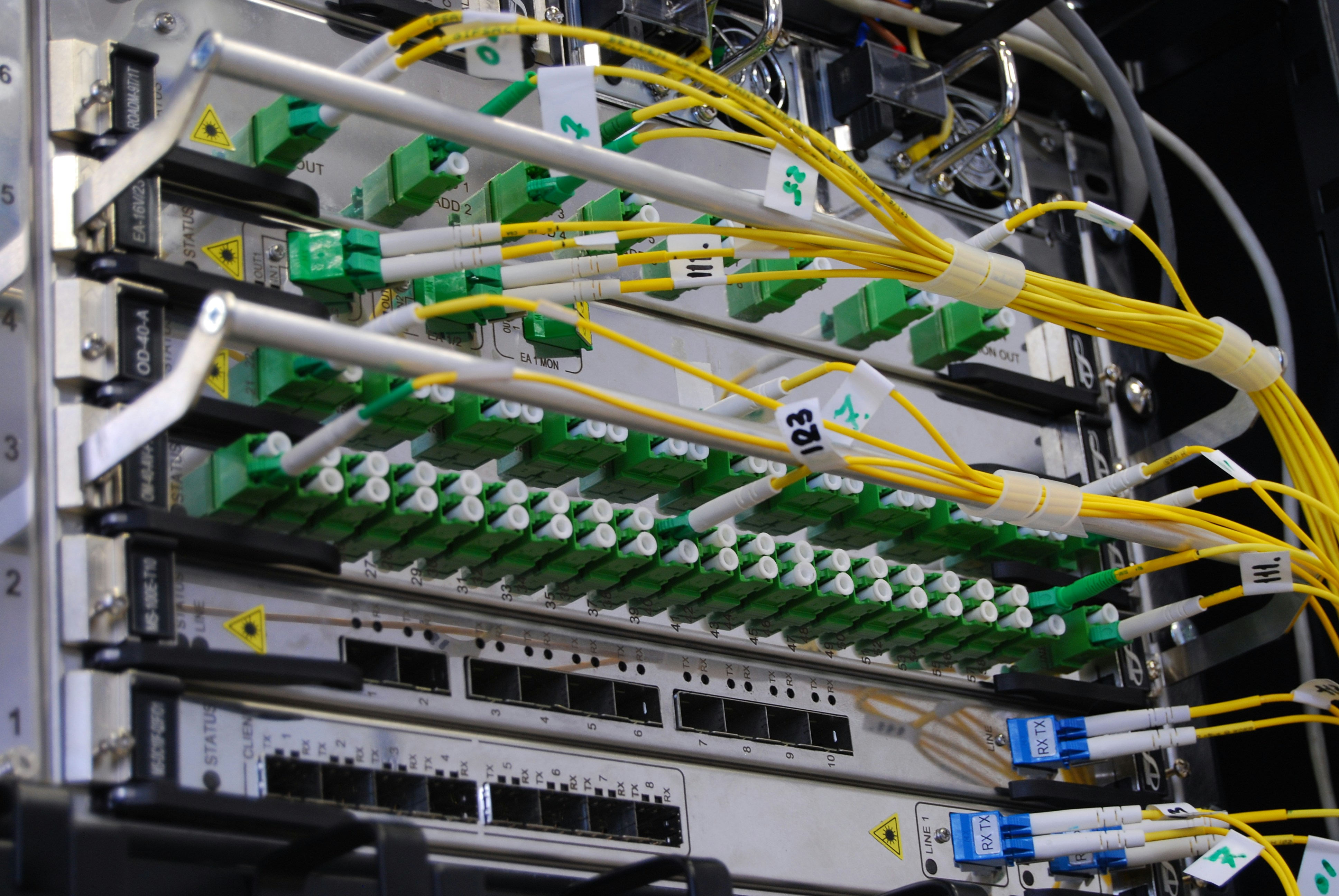
Ethernet used for security cameras has real distance limits. Standard copper runs cap out around 328 feet from the switch or recorder to the camera. Businesses often find this out the hard way after ordering cameras for the far corner of a warehouse or the back of a large lot, only to discover the run is too long for the signal to carry cleanly. In those cases the fix is either an intermediate switch, a fiber link, or a redesign of where the recorder lives. Any of those are easier to plan for at the start than to retrofit after drywall goes up.
Using the wrong grade of cable
Not all ethernet cable is built for the environment it ends up in. Cable routed through exterior walls, attics, or unconditioned warehouses needs the right jacket rating. Outdoor runs need shielding and UV protection. Runs above drop ceilings often require plenum rated cable to meet code. When installers use the cheapest indoor cable everywhere, the system may work at handover and slowly degrade as the cable takes on moisture, temperature swings, or interference from nearby electrical lines. A proper install matches cable type to location, and it makes a real difference in how long the system lasts.
Security cameras are one of those systems that quietly reward good planning and quietly punish shortcuts. If your business is thinking about adding cameras, upgrading an older analog system, or expanding coverage to a new building or lot, the wiring layout deserves as much attention as the camera model. Solari Cabling Contractors can walk your property, look at where cameras should live, and map out a cabling plan that fits the space and your recorder setup. If you are not sure whether your current wiring can support what you want to add, a short call is a good place to start.